Sustainability and On-site Composting for Music Festival Sites.
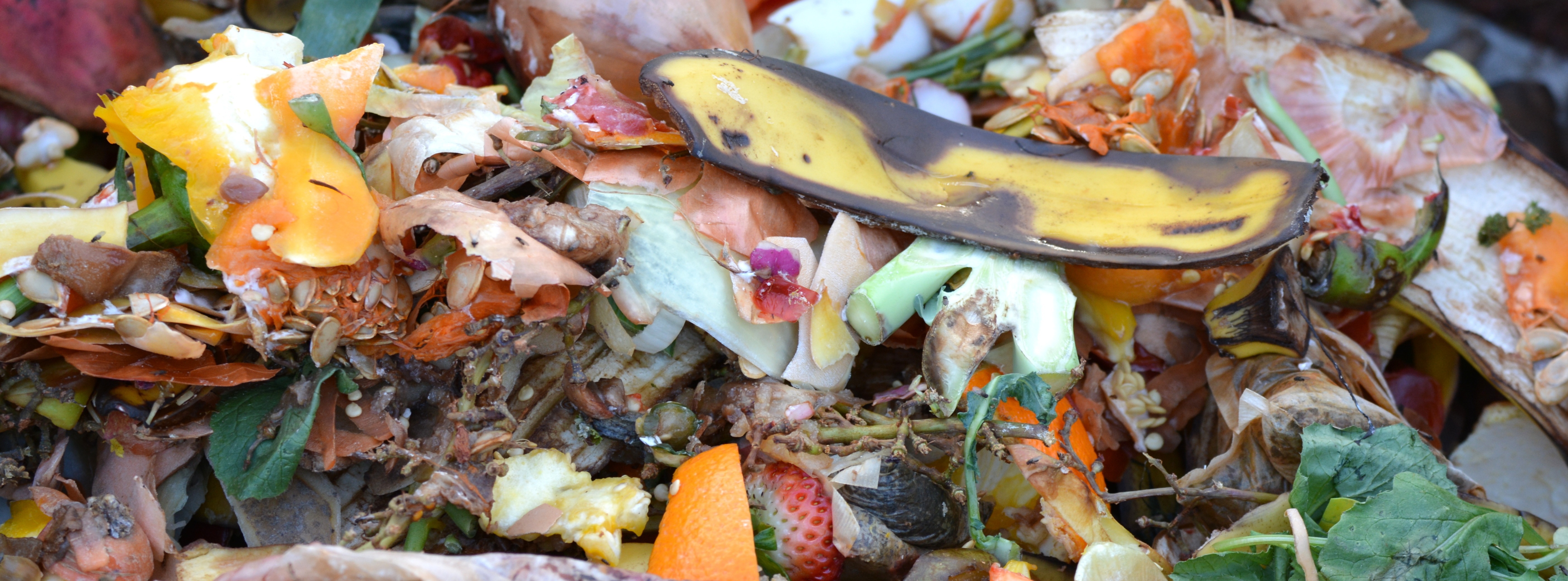
There has been an increase in on-site composting recently because it can form a key part of a music festival's waste management, contributing to their sustainability objectives. What are the key considerations, challenges and benefits for festival organisers who are keen to implement on-site composting for their events.
Many festival organisers already have composting schemes associated with their events, but this is generally centred around collection with the actual composting taking place off-site. Having an on-site composting capability that is visible to festival-goers provides great optics and ensures that processing can start immediately. Most large-scale festivals generate substantial volumes of organic waste, mostly form unwanted food or meal leftovers and composting is an attractive solution, however what are the financial and sustainability implications of having an on-site capability.
The Composting Contribution to Sustainability.
The principle of composting organic waste is to reduce the volume of waste that is sent to landfill sites or to facilities where it is simply incinerated, composting can divert this waste to schemes reducing treatment and disposal costs. Many organisers pursue additional schemes to reduce the amount of organic waste generated through meal portion size management and source separation. Composting organic waste produces material that contains key nutrients which can help improve soil structure and water retention when used on farms or landscaping projects for example.
Popular Solutions and Implementation.
Where a festival site has sufficient space using an open window process is often just a long managed pile of organic waste that is regularly turned to introduce oxygen and regulate decomposition. It does require equipment and regular monitoring to control odours and pests, which may have a negative impact of the festival-goer experience so it not particularly popular. More specialist manufactures are now making self-contained machines, for enclosed in-vessel composting. These are a one-stop solution for composting where temperature, aerations and odours are automatically regulated. However, they do have volume restrictions and still require power and technical supervision making them a more expensive option. The most common solution is still to segregate organic waste on-site and then remove it for processing off-site. This requires organisers to set up clearly marked containers and relies on festival-goers to segregate their waste correctly and there will still be transportation and processing costs involved. Deciding on the most appropriate solution may require organisers to assess how much organic waste their festival generates each year and assigning a budget for composting it. Other factors can include checking any environment permits required and any landowner restrictions for on-site composting. This approach during the planning process should ensure that the most appropriate solution is selected to fit volumes, budgets and sustainability objectives.
Organic Waste Sorting and Suitability for Composting.
It is essential that anyone operating an on-site composting scheme fully understands what material can and cannot be composted. Even if something is labelled biodegradable or compostable may not always be suitable because it could introduce limitations on how the compost breaks down. The most common organic waste items that are generally always suitable include fruits and vegetables, waste coffee grounds and tea leaves, plant matter and wood chips, for example. Any food waste that includes fish, meat, dairy or cooked food may require further assessment as it can have a negative impact on the composting process and require additional regulatory oversight. Generally, all plastics and compostable plates, cutlery and cups plus cigarette ends, glass or metal should be excluded from the composting process.
Regulatory Oversight.
Any outside composting facility can be subject to rules related to waste and animal by-product regulations, specifically any organic waste containing fish, meat or dairy products. In addition, the need to obtain an environmental permit related to composting aimed at preventing the pollution of soil from potential contaminates can add complications for organisers. The use of secure containers for organic waste collection and transport can add to the cost of the composting process. Festival organisers should check the rules and compliance requirements for their region or jurisdiction as they can vary.
Measurement and Reporting.
Waste management is a key aspect of sustainability for festival organisers and composting can make a significant contribution towards their objectives. Having composting performed on-site can reduce collection and transportation costs but also provides a great visual demonstration of the process in real time to festival-goers. To accurately measure the success of any composting scheme organisers should ensure that they report on the volume or weight of organic waste collected. This data can be further segregated into how much was processed on-site and how much was transported off-site for further processing. As some waste collected may contain contaminants it may become unsuitable for composting and this metric will also need to be measured and reported. In addition to the composting metrics achieved organisers should also understand the costs of labour, equipment, transport and treatment so they can arrive at a meaningful cost per tonne managed.
For festival organisers planning their next event using a software management platform like Festival Pro gives them all the functionality they need manage every aspect of their event logistics. The guys who are responsible for this software have been in the front line of event management for many years and the features are built from that experience and are performance artists themselves. The Festival Pro platform is easy to use and has comprehensive features with specific modules for managing artists, contractors, venues/stages, vendors, volunteers, sponsors, guestlists, ticketing, site planning, cashless payments and contactless ordering.
Image by Ben Kerckx via Pexels
<< Back to articles
Contact us
Get in touch to discuss your requirements.
US: +1 424 485 0220 (USA)
UK: +44 207 060 2666 (United Kingdom)
AU: +61 (2) 8357 0793 (Australia)
NZ: +64 (0)9887 8005 (New Zealand)